
The call is over. Your crew is back at the station, gear is being checked, and the morning briefing is underway. Your attention goes straight to the missed step, the delayed communication, the piece of equipment that needs attention. You start making a list of what must be corrected.
That instinct is part of the job. In the fire service, you learn to scan for hazards, identify what is out of place, and address problems before they cause harm. Your attention to what could go wrong helps protect your crew and community.
But what happens when that becomes the only lens you trust?
If your review ends with what failed, you may miss the steady decisions, careful checks, and quiet teamwork that helped the incident go well. Gratitude is not a request to lower your standards. It is a leadership discipline for seeing the whole picture.
Your threat radar is an asset, but it can become your only instrument
Fire service leaders are trained to notice what needs attention. You examine risks, review performance, identify gaps, and act. That focus is essential. No one should read this as an argument to stop looking for problems or to soften accountability.
The concern is what happens when your attention keeps reporting only the deficiencies. The crew hears about the mistake but not the sound judgment that prevented a worse outcome. You remember your own missed opportunity but overlook the preparation and decisions that went well. After enough of that, people can start to assume they are failing, even when they are doing important things right.
That also makes it harder for you to answer a basic leadership question: What is working in your department, and how do you know?
The research offers a reason this imbalance can happen. In their review "Bad Is Stronger Than Good," Roy Baumeister and colleagues describe how negative events and information tend to carry more psychological weight than positive ones. That does not mean every leader will see every situation the same way. It does help explain why a mistake can dominate a debrief while several solid decisions fade into the background.
If you want a more accurate picture of your crew, you need to deliberately look for what is working, not instead of the hazards, but alongside them.
Gratitude is accuracy, not forced positivity
In leadership, gratitude does not have to mean feeling cheerful or pretending every shift went well. It means taking a second look at what is true and good: the person who spoke up, the crew that checked on a colleague, the officer who made a clear decision under pressure.
A regular practice of counting blessings was associated with higher well-being across several measures in research by Robert Emmons and Michael McCullough. That research is not a study of fire service leaders, and it does not establish that gratitude will fix department culture or erase operational problems. It does support the value of deliberately noticing and recording what you appreciate.
Think of gratitude as a second instrument on your dashboard. Your hazard radar tells you where correction is needed. Your gratitude practice helps you register strengths, effort, and progress that may otherwise go uncounted. You need both readings to lead with accuracy.
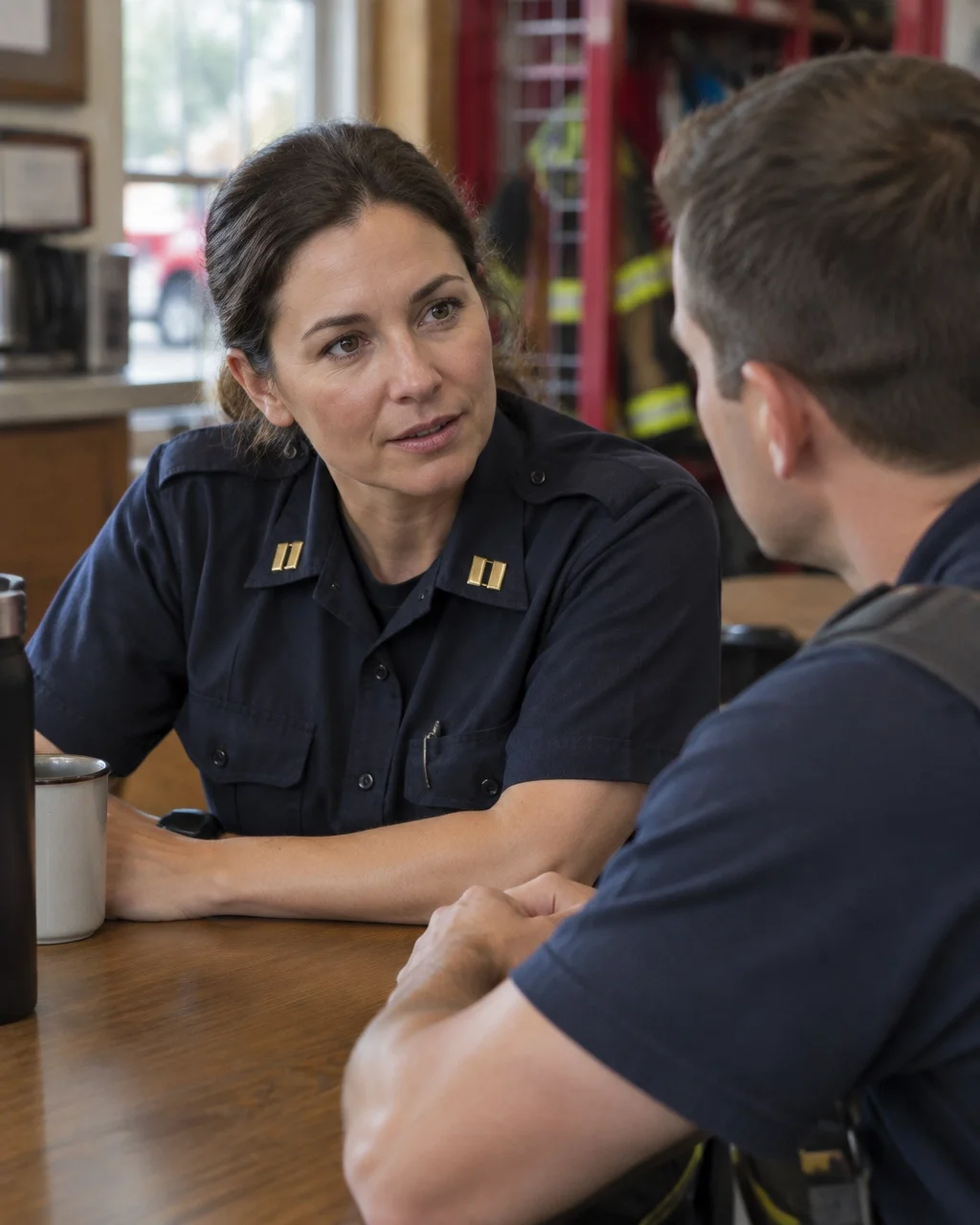
Make the practice brief, specific, and part of the shift
A gratitude habit is more likely to stick when it is tied to a routine you already have. It does not need a special meeting, a long journal entry, or a department-wide initiative. Start with a short pause at a point in the shift when you can reflect without rushing.
Try one of these options:
At end of shift: Ask, "What went right today that I don't want to take for granted?"
During a two-minute pause: Write down three specific things you noticed. Name the behavior, not just the feeling.
After a debrief: Alongside "What needs correction?" ask, "What helped us perform well?"
Specificity matters. "Good crew today" is a general impression. "You caught the equipment issue during the check and spoke up before we left" points to an action worth repeating.
And when the moment is right, say it to the person who did it:
"I want to recognize how you checked in with the newer member after that call. You noticed they were quiet, made space for them to talk, and helped them feel supported. That mattered."
That is when gratitude moves beyond private reflection and becomes leadership. You are showing your crew which behaviors you value and want to see continue.
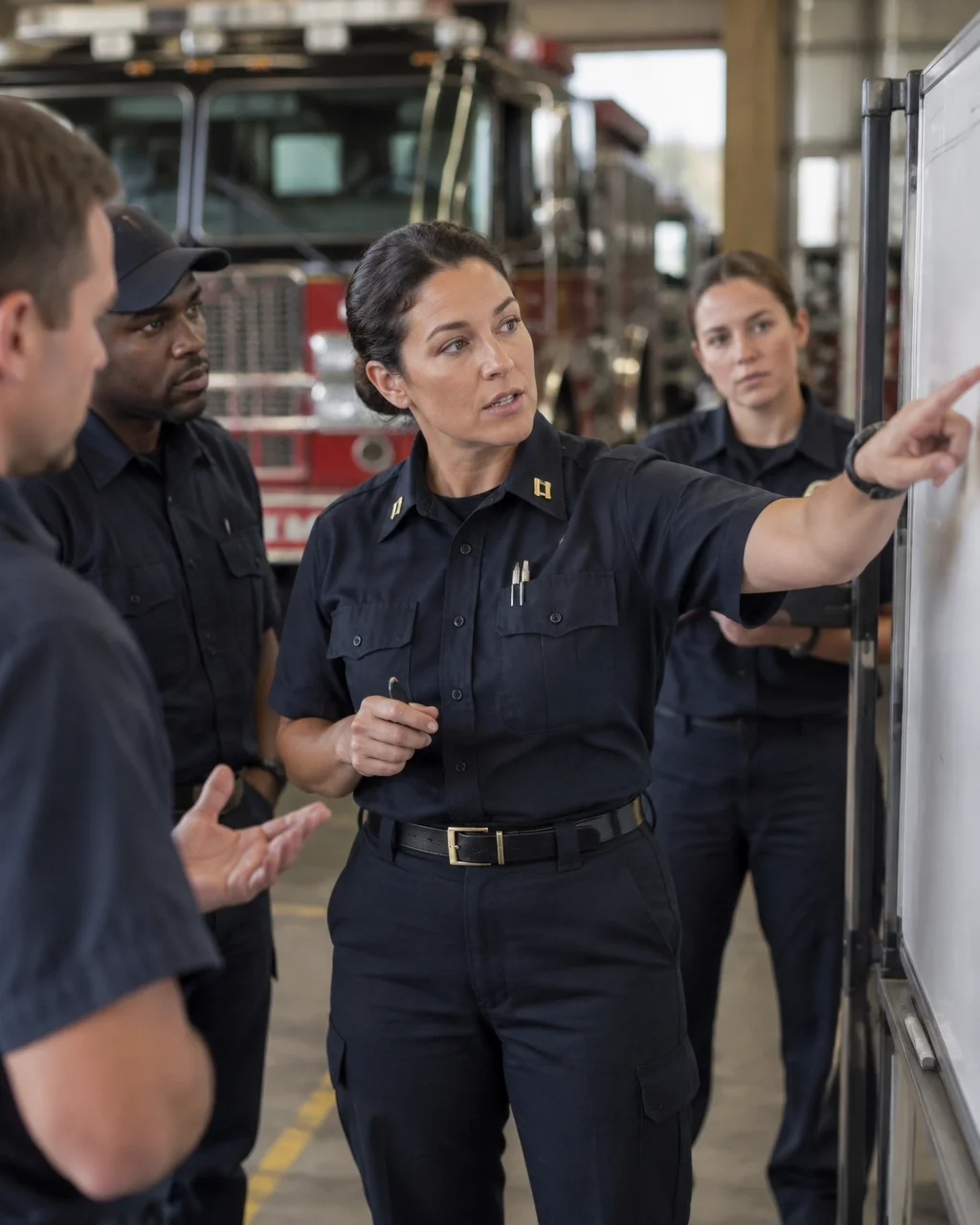
What gratitude is not
A fire service leader can reasonably ask: Does gratitude mean overlooking mistakes? No. A missed step still needs to be examined and addressed.
Gratitude is not:
Forced cheerfulness when people are struggling.
A way to quiet complaints or discourage honest reporting.
A substitute for fixing equipment, staffing, policy, or performance problems.
Praise used to soften a conversation that needs to be direct.
If there is a real hazard, name it and act. If a concern is valid, listen and follow through. Gratitude should never be used to tell someone to focus on the good instead of raising a problem.
The discipline is to hold both truths at once: Here is what needs to change, and here is what is already helping us do good work. That is not a lower standard. It is a fuller accounting.
A simple practice you can start this shift
Try this for one week:
Choose a consistent cue. Use the end-of-shift handoff, a quiet moment at the kitchen table, or the end of a debrief.
Name three specific things. Identify a person, action, or moment. Avoid generalities.
Say one acknowledgment out loud. Be timely and specific. Tell the person what they did and why it mattered.
If you are skeptical, you do not have to start by calling it gratitude. Call it a second scan. You already check for hazards; now check whether your assessment includes the full picture.
You might tell your command staff:
"This isn't about ignoring problems or making every shift sound successful. We're going to keep correcting what needs correction. We're also going to name the decisions and actions that are helping this department work well, so our picture is complete."
Then ask yourself: What would your crew say you notice most. Their mistakes or their contributions? What is one thing that went well on your last shift that you have not acknowledged? If you cannot name what is working, what might you be overlooking?
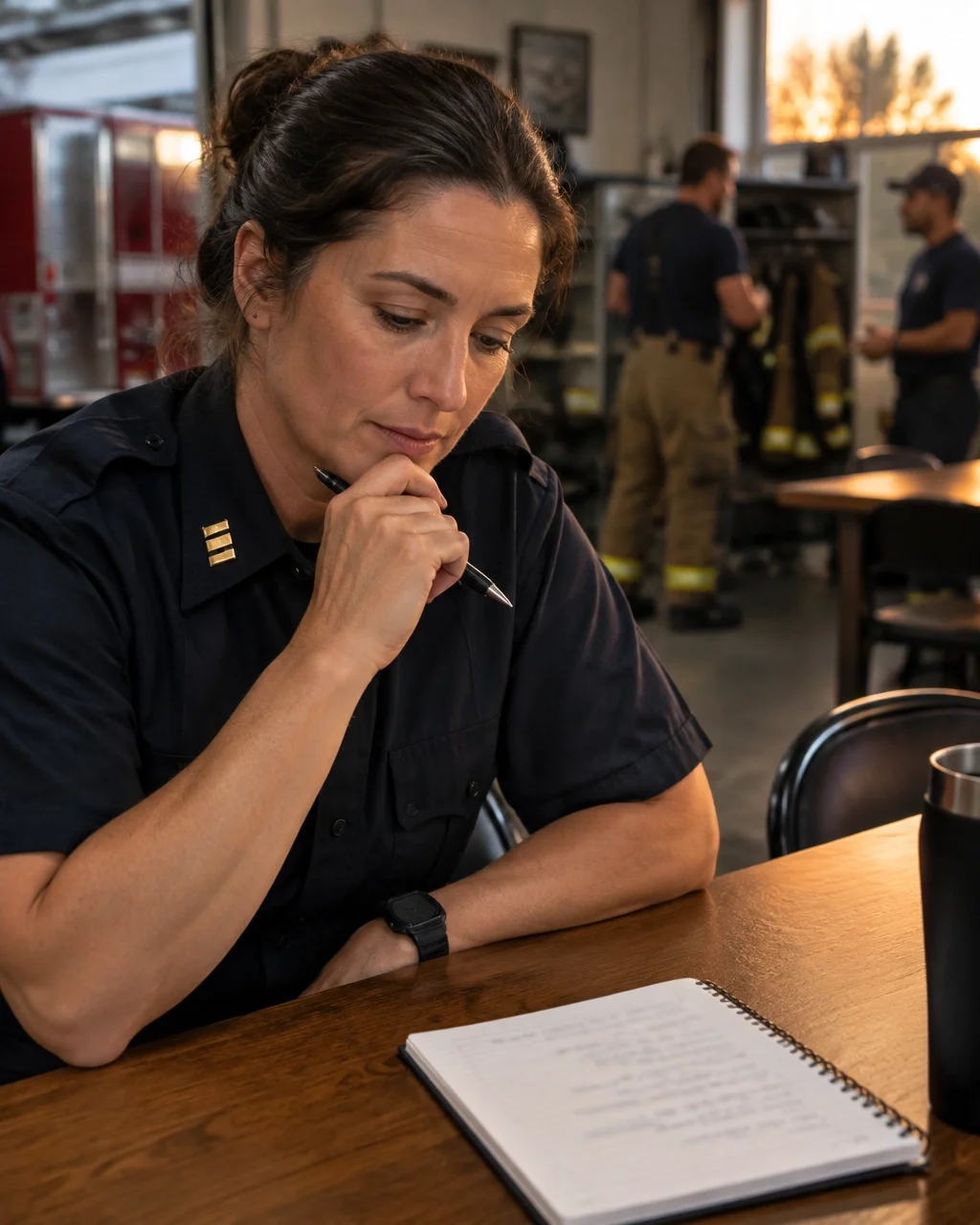
Build the habit into how you lead
If the lens you bring to leadership is always searching for the next fault, changing it may take more than a reminder. It may mean working with the attention patterns that shape how you respond under pressure.
Marian Coaching's Mental Fitness Course is a six-week, neuroscience-based program designed to help you quiet the "Saboteur" brain and shift toward a clearer, more focused "Wise Mind." It is not a gratitude course; it works on underlying patterns of attention and response. For a chief who wants to build this practice into the rhythm of a command staff, 1:1 coaching can help turn the intention into a sustainable leadership habit.
Your ability to spot what is wrong is a professional strength. Gratitude does not take that strength away. It helps make sure it is not the only thing you see.
